Blog Post #9 - 10/20/2026
By Mentalist Rick Silver
By Mentalist Rick Silver
Connection Is the Number One Event Priority. Here Is How to Deliver It.
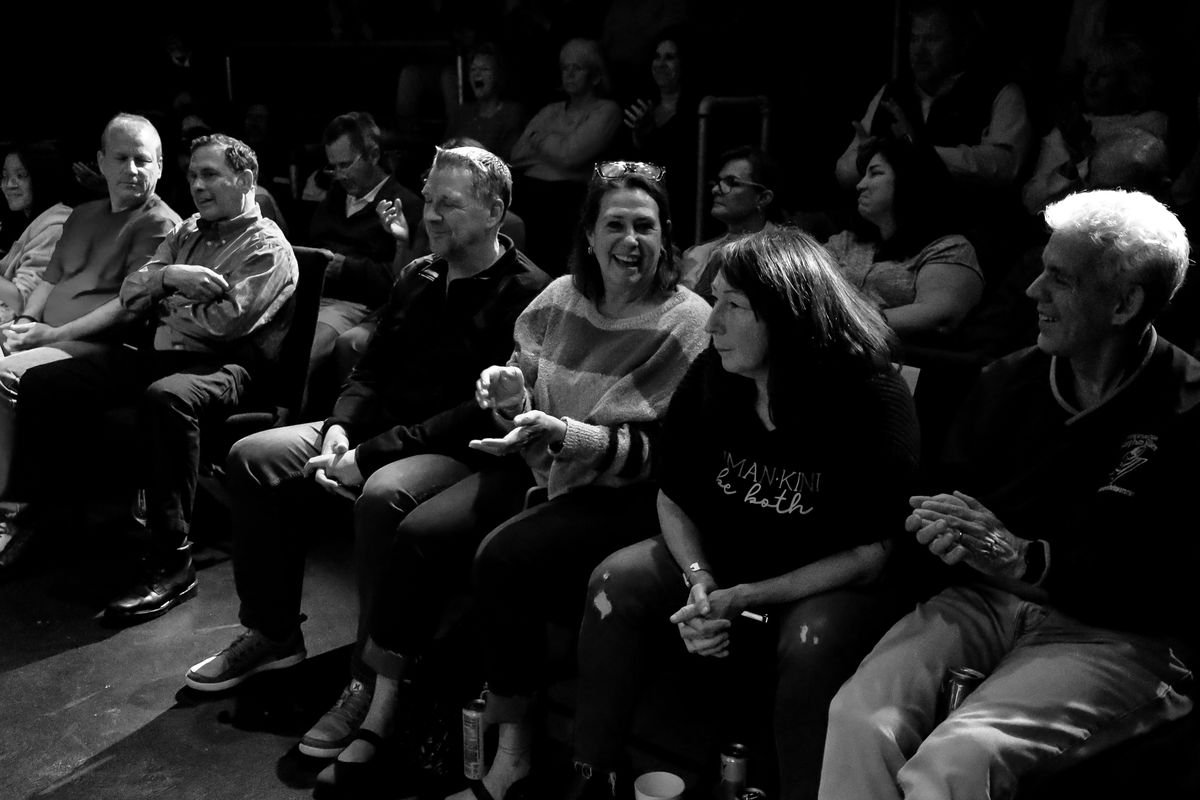
Ask a planner what they want people to say on the way out the door, and it is rarely “great food” or “nice venue.” It is something closer to “I finally got to know people.”
Now there is data behind that instinct. Encore, the event production and technology company, surveyed event professionals for its Fall 2026 Reconnection Report. The headline finding was not close: connection is the number one priority.
Here is what the research says, why connection is so hard to actually schedule, and where an interactive act like mine fits.
What planners told Encore
When planners ranked connection, personalization and innovation by importance to the attendee
experience, connection won by more than double.
59%of planners ranked connection as the most important event priority
27%ranked personalization first
15%ranked innovation first
What “connection” actually means
The most useful part of the report is how planners defined the word. It was not one thing. They described:
- Meaningful engagement and participation
- Networking and relationship building
- Belonging, inclusion and feeling valued
- The kind of experiences people remember after the event ends
Why connection is so hard to put on an agenda
Planners are not short on effort. The report found they use at least six tactics per event to promote
connection. The most common are panels (67%), unstructured peer networking like breakfasts and happy
hours (59%), interactive sessions such as Q&A and live polls (56%), and smaller breakout groups (55%).
“Networking moments need the right environment. Interactive sessions need reasons for
participants to participate.”
— Encore, The Reconnection Report, Fall 2026
Anyone who has watched a happy hour knows this. Put people in a room with a drink and a name tag, and most
of them talk to the three people they already know. “Unstructured networking” is exactly that:
unstructured. Nothing gives a stranger a natural opening.
Where a mentalist fits
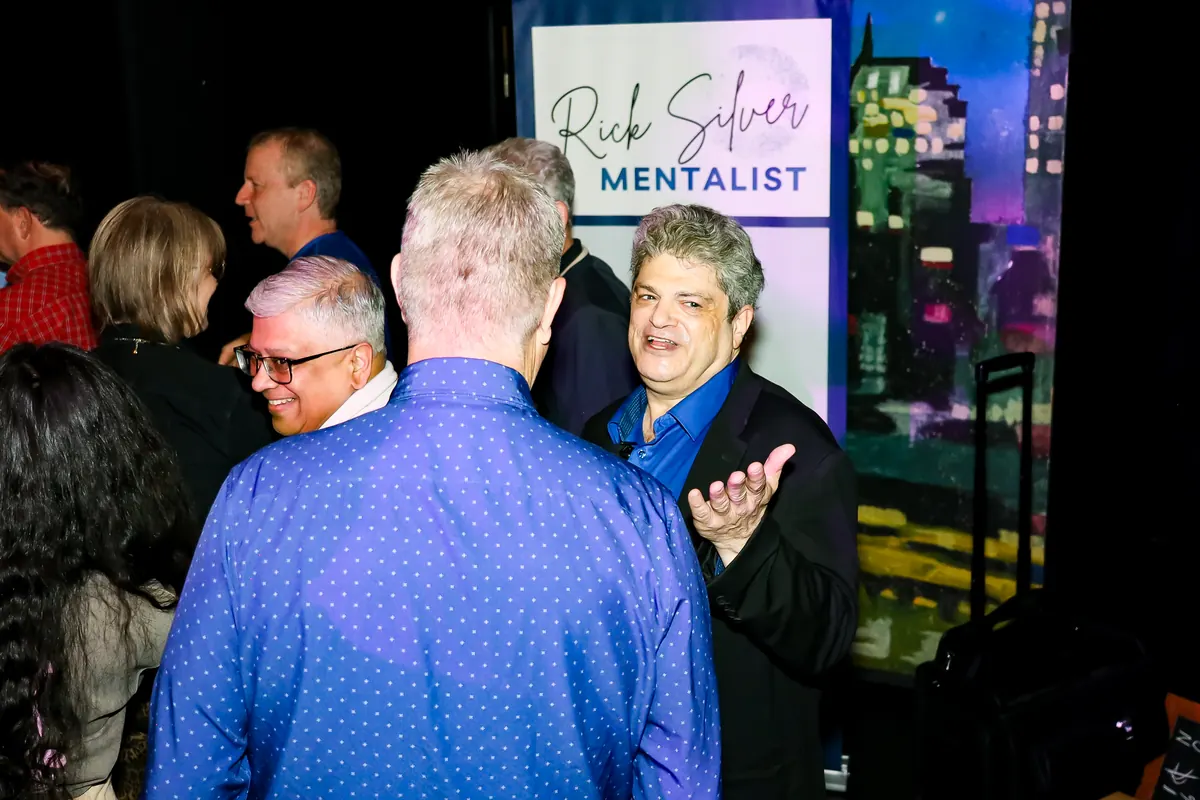
“Kept our group of 16 executives locked in and fully entertained for the entire performance.”
— Katie, Chief of Staff, major financial services firm
Personal, every time
Personalization came in second in Encore’s rankings, and the report describes it as tailoring the
experience to the people in the room. A mentalism show is personal by design. No two shows are the same,
because the material is the thoughts and choices of whoever is in front of me that night. Your
team is not watching a generic act. They are watching something that could only have happened to them.
Start with the connection goal
The report’s best advice is simple: before adding another format, feature or tool, decide what kind of
connection the event is meant to create. Relationship building? Belonging? Departments mixing? Clients meeting
your team?
- If the goal is new relationships, put strolling mentalism in the cocktail hour, when people are still standing with the folks they came with.
- If the goal is a shared moment for the whole room, put a stage show after dinner, when everyone is seated and facing the same way.
- If you want both, do both. The stage show lands harder because the room already met me during the cocktail hour.
Not just for the office
Connection is not only a corporate goal. Milestone birthdays, anniversaries, graduations and holiday parties
bring together family, old friends and new partners who have never met. Strolling mentalism through a wedding
reception or cocktail hour does the same job there: it gives guests from different sides of the room a reason
to talk, table by table.
The short version
Planners have spoken: connection matters more than anything else on the agenda. The hard part has never been
wanting it. It is giving people a real reason to turn to the person next to them, without adding budget,
agenda time or production.
Tell me what kind of connection your event is meant to create, and I will tell you honestly where I
would put the entertainment in your night — or whether you need me at all.
Get in touch and tell me about your event.
Source: Encore, The Reconnection Report (PlannerPulse, Fall 2026). Employee and executive figures are as cited in that report.